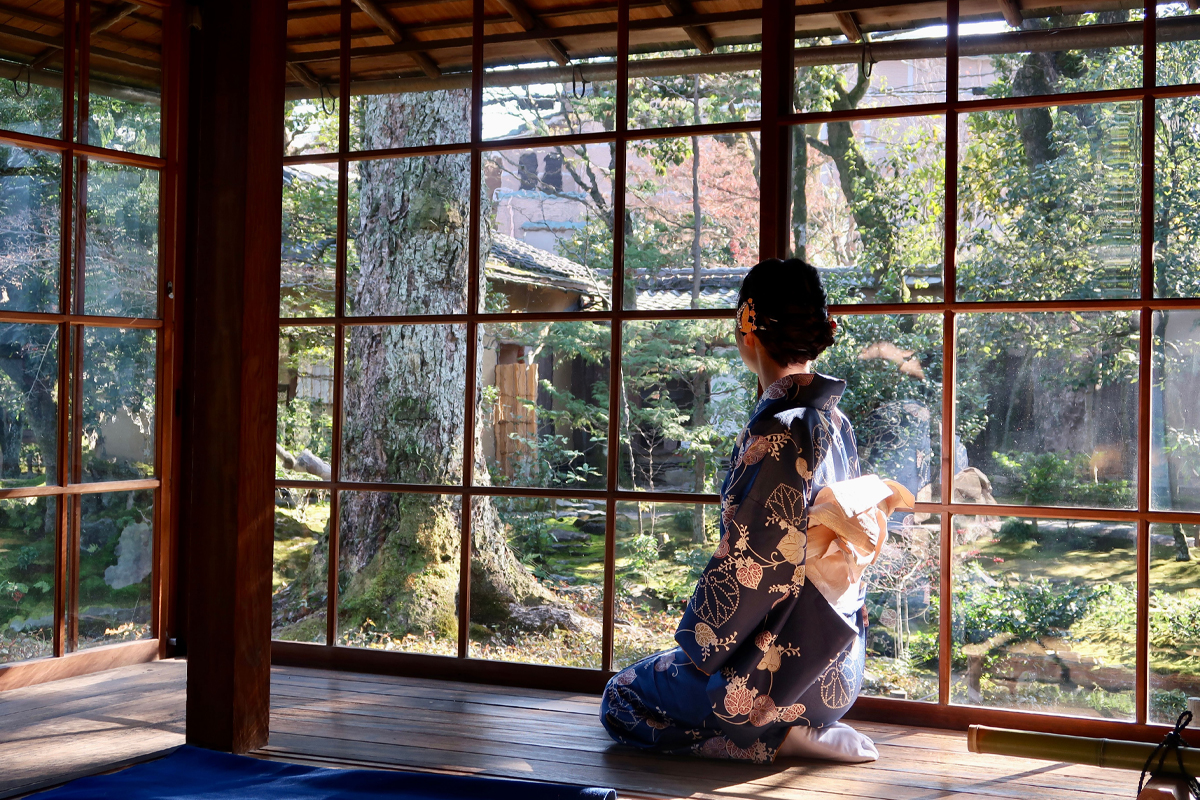
Virginia Woolf called it “a room of one’s own.” Ancient monks built it within their monastic cells. The Japanese cultivate it in the chashitsu, tea rooms where time slows and the outside world fades away.
Domestic solitude is not isolation but a physiological need.
Yet contemporary homes systematically ignore it: open spaces that expose every movement, lofts where privacy is an illusion, fluid spaces celebrating sharing while forgetting that humans need to withdraw, to fall silent, to listen to themselves without witnesses.
As a bio-architect, I’ve learned that designing solitude requires the same precision as studying solar orientation or natural ventilation. It’s not enough to close a door. One must understand that each person carries an inner emotional geography that needs a corresponding physical space.
The Geometry of retreat
A personal sanctuary is not a matter of square meters. I’ve seen two-square-meter corners become perfect refuges, and vast rooms that offer no real shelter. The difference lies in three elements: a perceived boundary, the quality of light, and the relationship with the outside.
The boundary doesn’t have to be a wall. It can be a change in level: two steps marking a symbolic threshold are enough, as a heavy curtain that creates a tactile filter, or a bookshelf that divides without separating. What matters is the clear transition from shared territory to personal territory.
Light decides everything. In personal sanctuaries, oblique light always works better than zenithal light. Side light, filtered, that creates a soft half-shadow without darkness.
Benedictine monks built tall, narrow windows in their cells so that light would illuminate without distracting, accompany without invading.
The relationship with the outside follows the same logic: presence without exposure.
A window framing a fragment of sky or a portion of tree works better than a panoramic wall of glass.
A personal sanctuary should not show the world: it should allow you to think about it.
Materials that absorb the noise of existence
Raw wood. Clay. Linen. Wool.
The materials of silence are those that absorb sound instead of bouncing it back. Those that share the body’s temperature. Those that age instead of deteriorating.
Cork underfoot erases the sound of steps.
Clay walls breathe and regulate humidity, creating a stable microclimate that the body perceives as protection.
Untreated wood releases volatile compounds that lower stress: this is not spirituality, but chemistry.
Function without function
The problem with personal sanctuaries in modern homes is that we fill them with purpose.
A study, a home gym, a yoga corner. Wrong.
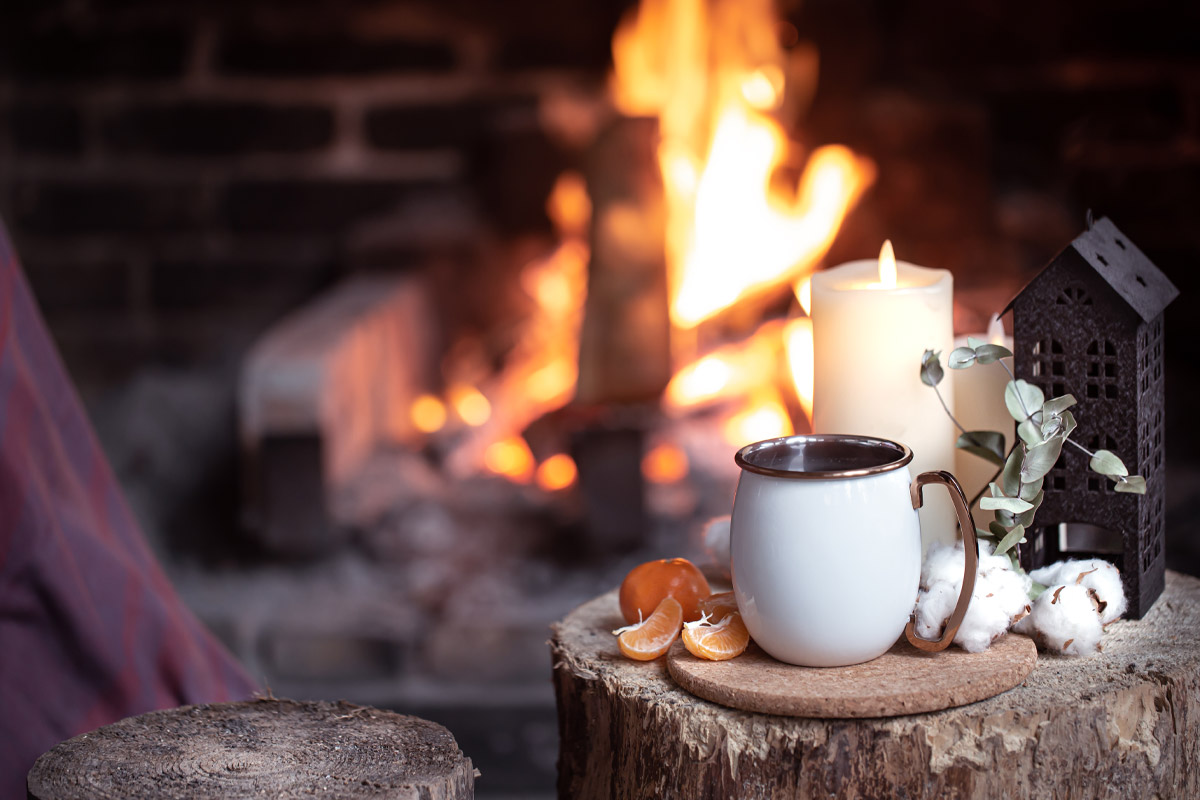
A personal sanctuary must be a space without function, where one can simply exist, without producing, performing, or optimizing: a comfortable seat, a reading light, a surface for a cup. Stop. Anything more is intrusion.
Because domestic solitude serves exactly this: to free oneself from the tyranny of utility.
Architecture that heals
In recent years, neuroscience has confirmed what sensitive architects have always known: spaces that are too open, too shared, too exposed generate chronic stress.
The human brain needs alternation, moments of connection and moments of withdrawal.
Homes that offer only the first produce exhaustion.
Designing personal sanctuaries is not a luxury. It is mental hygiene translated into cubic meters.
It means restoring to living spaces the dimension of silence, without which the noise of everyday life becomes unbearable.
Virginia Woolf knew it. The Benedictine monks knew it. Japanese culture has practiced it for centuries.
Perhaps it’s time we remembered it too.